By Vince Dowdle
October 6, 2026
As the warm days of summer fade into cool autumn breezes, backyard swimming areas transition from lively recreational hubs into quiet outdoor fixtures. Leaving an outdoor basin completely open during months of non-use exposes vulnerable surfaces, plumbing lines, and surrounding decking to relentless environmental wear. Smart property owners recognize that proactive winterization requires more than simply adjusting chemical balances or turning off circulation pumps. Installing high-quality pool covers serves as an essential physical defense against falling leaves, freezing temperatures, chemical degradation, and accidental immersion risks. Securing your aquatic facility throughout the colder months preserves overall structural integrity while saving substantial maintenance effort.
Preventing Debris Accumulation During Unused Autumn Months
Autumn brings falling leaves, pine needles, twigs, and airborne organic debris that quickly accumulate inside an uncovered basin. When organic matter settles at the bottom of a pool, it rapidly decomposes, creating stubborn surface stains and clogging filtration skimmer baskets. Covering your swimming basin securely prevents autumn leaves from entering the water and ruining surrounding interior finishes. Utilizing durable pool covers eliminates the endless chore of manual skimming and vacuuming during cold weather conditions. Keeping organic waste out of the basin preserves water clarity, prevents severe wall discoloration, and ensures that opening your backyard oasis next spring remains a swift, hassle-free process.
Minimizing Water Evaporation With Protective Surface Barriers
Unprotected aquatic structures experience continuous liquid volume loss due to relentless dry winds and persistent sun exposure throughout autumn and winter. Constantly replenishing lost basin volume strains residential utility budgets and wastes valuable local natural resources during dry seasonal conditions. According to the United States Environmental Protection Agency, installing a pool cover (especially motorized or insulated) can reduce evaporation losses by as much as 95 %, making it a key sustainability feature in dry climates. Deploying protective pool covers blocks dry surface air currents, retains water volume, stabilizes internal liquid levels, and shields pool owners from unnecessary water replacement expenses during extended off-season periods.
Reducing Chemical Consumption Through Shielded Sunlight Exposure
Ultraviolet rays from direct sunlight break down active sanitizing chemicals like chlorine, leaving idle pool water vulnerable to rapid algae blooms. When sunlight hits stagnant, unheated water during milder off-season days, bacteria flourish quickly, turning clear liquid into a dark green hazard. Installing heavy-duty pool covers shields the entire water surface from solar rays, preserving essential chemical treatments and preventing aggressive algae growth. Maintaining stable chemical levels under a protective barrier saves money on expensive shock treatments, reduces continuous chemical purchases, and keeps internal water chemistry balanced while filtration systems remain powered down through the winter.
Preventing Freeze Damage Through Effective Thermal Insulation
Freezing winter temperatures pose severe threats to exposed pool surfaces, tile lines, and internal skimmer assemblies as ice expands outwards. Expanding surface ice exerts immense lateral pressure against concrete walls, cracking expensive tile work and causing severe structural damage over time. High-grade pool covers act as thermal barriers that trap residual heat within the water and prevent deep surface ice formation. Minimizing surface freezing protects delicate fiberglass, vinyl, or plaster interior finishes from fracturing during severe winter cold snaps. Investing in protective surface insulation prevents costly masonry repairs and preserves the overall structural soundness of your aquatic facility.
Enhancing Backyard Safety With Heavy-Duty Anchored Fabrics
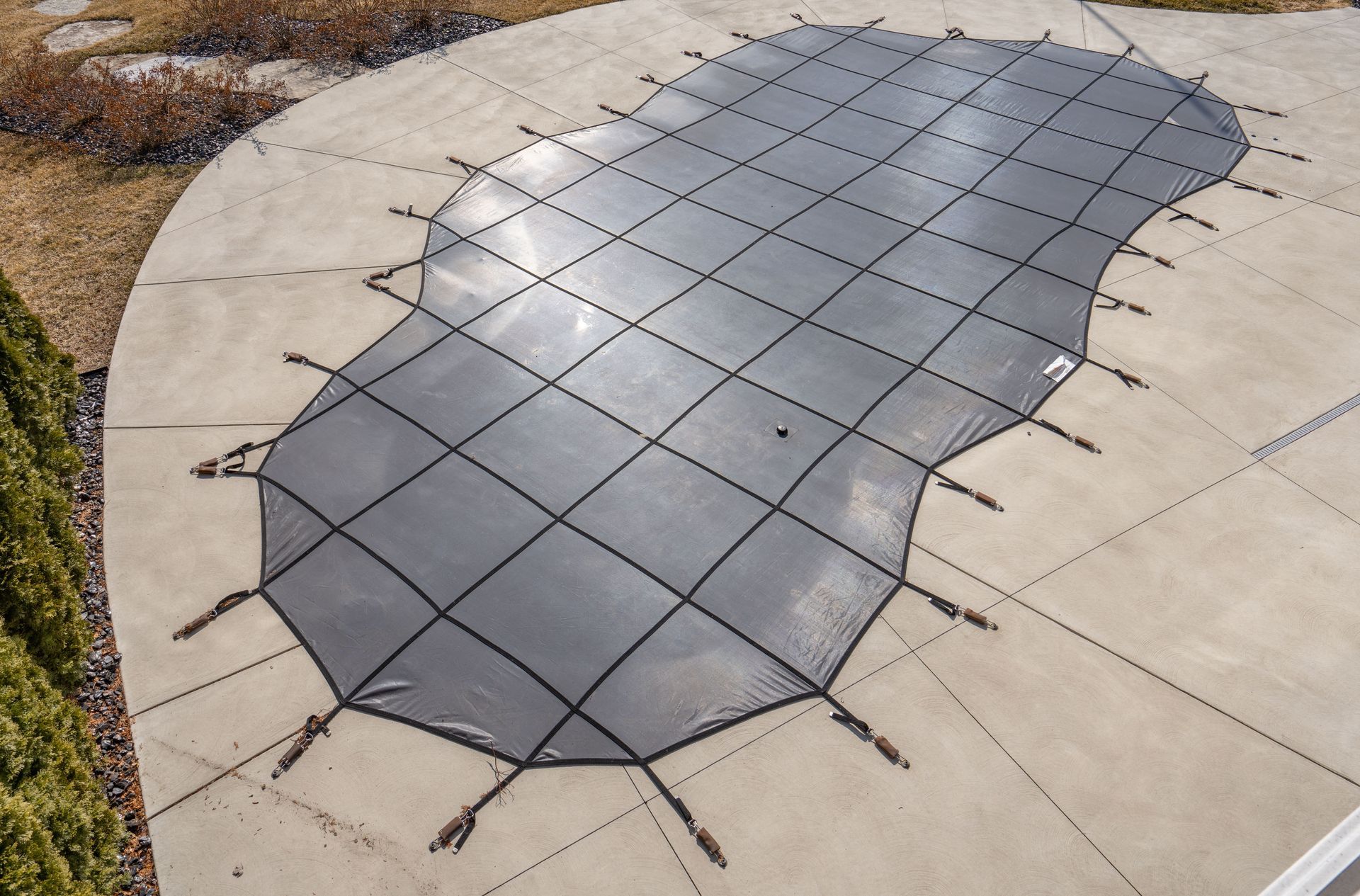
Unattended, open swimming areas present serious safety hazards for young children, neighborhood pets, and local wildlife during the off-season. Cold water immersion poses severe hypothermia risks, while dark, uncovered basins create dangerous fall hazards in snowy or icy backyards. Utilizing tension-anchored safety pool covers creates an impenetrable physical bridge across the entire opening that easily supports heavy loads. Securing your backyard basin with anchored protective materials provides complete peace of mind, ensuring that family members and curious animals remain entirely safe from accidental falls throughout the long, dark winter months.
Lowering Energy Expenditures With Smart Temperature Retention
Maintaining stable internal water temperatures in heated swimming facilities requires immense electrical energy or natural gas consumption during chilly autumn nights. Without adequate surface insulation, generated heat escapes instantly into the surrounding cold atmosphere, forcing heating equipment to run continuously at maximum capacity. Applying insulated pool covers directly onto the water surface traps thermal energy, drastically reducing heat dissipation overnight. Lowering heat loss minimizes utility gas draw, reduces monthly electrical expenses, and protects heating equipment from excessive mechanical wear, allowing pool owners to extend their swimming season efficiently without experiencing soaring utility bills.
Deterring Invasive Wildlife From Seeking Stagnant Water Supplies
Idle outdoor water features naturally attract birds, rodents, raccoons, and small mammals seeking drinking sources or shelter during cold weather months. Animals approaching an uncovered pool can fall into the chilly water, struggle to climb steep, slippery walls, and drown, creating unpleasant sanitary hazards. Fitting tight-fitting pool covers over the entire structure prevents wildlife from accessing the water and eliminates unwanted contamination risks. Keeping animals away preserves overall water sanitation, protects interior liner materials from sharp animal claws, and ensures your backyard environment remains clean, hygienic, and free from unpleasant organic hazards during winter dormancy.
Preserving Interior Finishes Through Reduced Sunlight Damage
Prolonged exposure to intense ultraviolet radiation degrades delicate interior pool materials, fading vinyl liners and accelerating plaster deterioration over consecutive seasons. Sun bleaching causes vibrant liner colors to dull quickly while drying out flexible vinyl compounds, making them brittle and prone to tears. Placing solid pool covers over exposed swimming basins blocks destructive ultraviolet rays completely, preserving vibrant liner colors and extending material operational life. Shielding interior finishes from sun exposure prevents premature material fading, delays costly replacement projects, and ensures your swimming facility maintains a pristine, highly attractive aesthetic appearance for many years.
Protecting Skimmers and Plumbing From Severe Winter Stress
Winter precipitation fills open pools with excess rainwater and heavy melting snow, raising water levels dangerously high toward sensitive skimmer housings. When water enters skimmer assemblies and freezes solid, expanding ice shatters plastic housings and ruptures underground plumbing lines, causing disastrous spring leaks. Heavy-duty pool covers deflect excess rain and snow away from the basin opening, keeping internal water levels stable and beneath high-risk skimmer thresholds. Preventing water elevation spikes protects vital plumbing infrastructure, shields skimmer baskets from ice expansion, and eliminates the need for expensive underground pipe repairs when reopening your facility.
Simplifying Spring Opening Procedures With Clear, Uncontaminated Water
Reopening an uncovered swimming pool in spring often requires days of exhausting labor, heavy chemical dosing, and continuous filter backwashing to clear murky water. Draining stagnant, debris-filled water wastes hundreds of gallons while exposing delicate interior plaster to air drying and structural cracking. Maintaining protective pool covers throughout the off-season keeps water crystal clear, clean, and ready for immediate springtime use. Removing a protective cover in spring reveals clear water that requires minimal chemical adjustment and light filtration, allowing your family to enjoy early warm weather swimming without suffering through frustrating, time-consuming cleanup delays.
Maintaining an immaculate backyard swimming environment elevates overall property value, enhances curb appeal, and signals meticulous property care to potential future buyers. A neglected, green, or trash-filled winter pool creates an unsightly eyesore that diminishes neighborhood aesthetics and damages surrounding landscaping. Applying clean, professionally fitted pool covers presents a neat, highly organized appearance throughout the autumn and winter months. Protecting your investment against environmental decay preserves structural beauty, maintains high property values, and ensures that your outdoor living area remains a proud focal point of your residential landscape across every season.
Do you need a new pool cover installed in Ocean County, NJ, and Bucks County, PA? The pool safety experts at Best Defense Pool Enclosures provide pool fences, gates, safety fences, and covers! Contact us today to request an estimate and more.